

Browse Research Centers, Labs, and Initiatives
View as:
Just Environments Lab
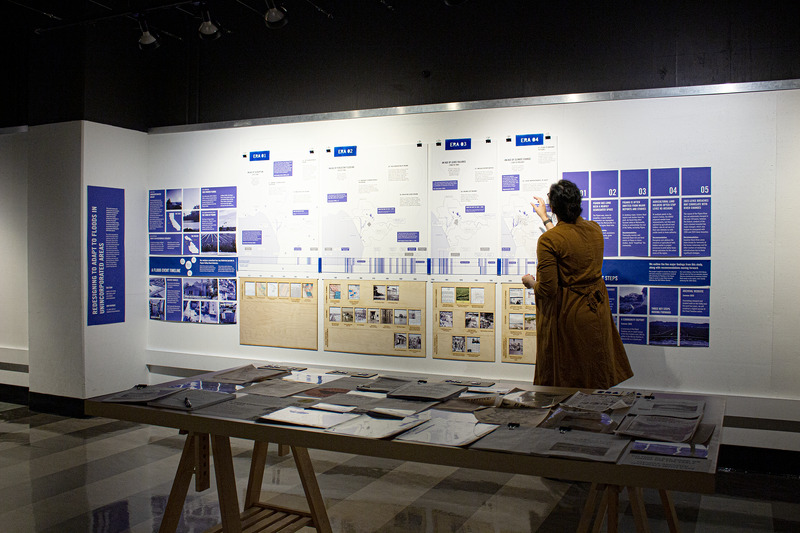
A research and design lab in Landscape Architecture and Environmental Planning at UC Berkeley's College of Environmental Design that works on policy and design for just environments before and after disasters. Directed by Danielle Zoe Rivera, the lab centers hazard mitigation for under-resourced communities and co-produces research with them. In California it has studied the flood history of the Pájaro Valley with the U.S. Army Corps of Engineers, shown in an April 2025 exhibit at Bauer Wurster Hall that combined archival research, a flood timeline and maps, and it has worked on recovery after the Los Angeles fires. The lab began in 2018 at the University of Colorado Boulder under the name Comunidad and took its current name after moving to Berkeley in 2021.
Language of Nature, Language of Culture: Towards a Decolonial Art History
A three-year research and pedagogical project of the South Asia Art Initiative at the Institute for South Asia Studies, UC Berkeley, supported by the Getty Foundation's Connecting Art Histories initiative. It reconsiders the relation between nature and culture in art history, treating them not as opposing domains but as categories produced together through histories of matter, mobility, imagination and power. Through public programs, field-based workshops and collaborative research with a global cohort of scholars and practitioners, it aims to build a lexicon for South Asian art histories grounded in climate, decolonization and planetary thought.
Center for Creative Ecologies
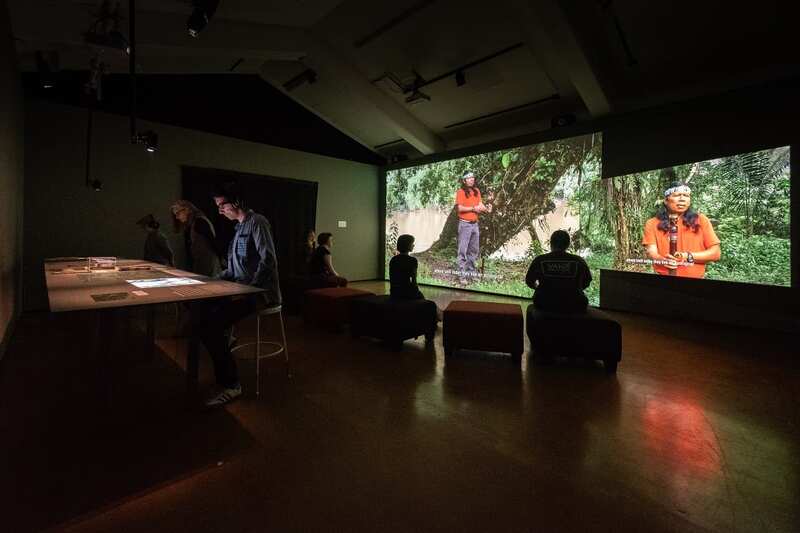
A research center in the Department of History of Art and Visual Culture at UC Santa Cruz that considers the intersection of culture and environment. Founded and directed by art historian T. J. Demos, it studies how artists, filmmakers, photojournalists, architects, writers, and activists critically address and creatively negotiate climate change, extraction, habitat destruction, and environmental injustice. Drawing on visual culture, political ecology, Earth jurisprudence, Indigenous cosmopolitics, and climate justice activism, the center supports the department's PhD program in Visual Culture and hosts symposia, exhibitions, a reading group, an online journal, and public conversations. Its programs include the Mellon-funded Sawyer Seminar Beyond the End of the World (2019–21), the exhibition Forest Law by Ursula Biemann and Paulo Tavares at the Mary Porter Sesnon Art Gallery (2018), and the online seminar Nuclear Nows: Contemporary Art, Radiation, and Militarized Ecologies (2024).
The Algae Society Bio Art & Design Lab
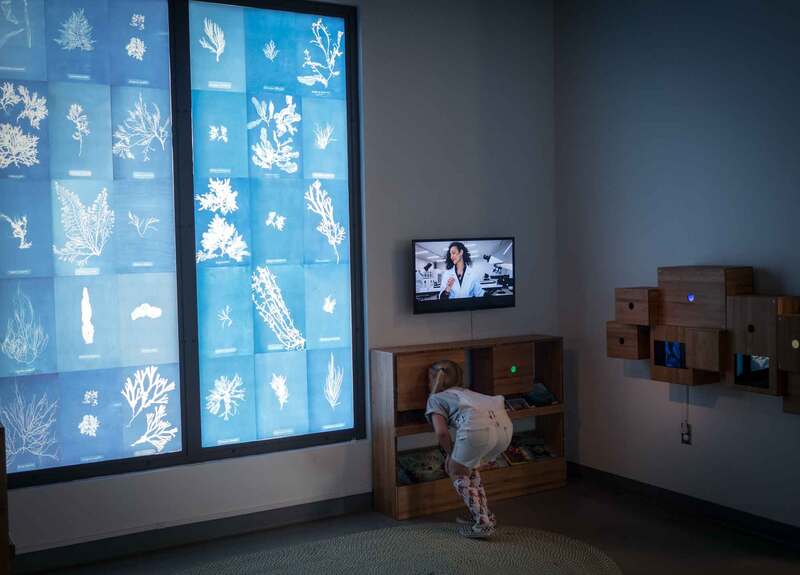
An international, transdisciplinary collective of artists, scientists, designers, and scholars that invites the public to engage with algae, from the microscopic to the planetary scale. Launched in 2018, the lab approaches algae as companion species, vital to climate resilience and atmospheric balance, and works through artworks, workshops, writing, and exhibitions that cultivate multispecies kinship. Most of its founding members were UC Santa Cruz graduate students who worked with Jennifer Parker in the OpenLab Collaborative Research Center. More than 100 artists, scientists, and scholars on three continents have taken part, with core members at UC Santa Cruz, the University of North Carolina Wilmington, Universidad Complutense de Madrid, Reed College, RMIT University, the University of the Sunshine Coast, and the University of Gothenburg. Exhibitions include CONFLUENCE: Experimentation | Installation | Collaboration at the Cameron Art Museum in Wilmington, North Carolina (2022), with further projects at the MOXI Museum in Santa Barbara and the Madrid Planetarium.
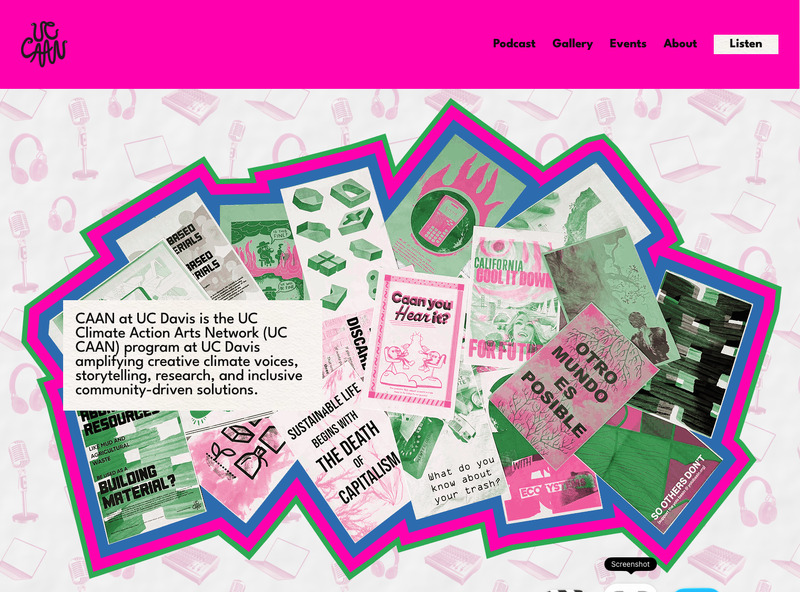
UC Davis CAAN Program
The UC Davis node of the UC Climate Action Arts Network supports creative research at the intersection of art, climate action, and community resilience. Its projects include CAAN You Hear It?, a podcast featuring designers and other creatives working on the front lines of climate action, with a focus on inclusive storytelling and diverse perspectives.
UC Merced Environmental Humanities Program
Environmental communicators, people who can turn research into stories that move the public, are what this UC Merced major and minor set out to train. Coursework centers on literary, artistic, and creative works about the environment, and students make creative work of their own. The program gives particular attention to Indigenous ways of knowing and Traditional Ecological Knowledge, Black ecology, BIPOC perspectives, and decolonizing frameworks.
UCLA Laboratory for Environmental Narrative Strategies (LENS)
UCLA faculty and students from across disciplines come together here to study how storytelling, communications, and media can support sustainability and environmental justice. The lab starts from the premise that environmental challenges are cultural and political as well as scientific. It supports research, teaching, and public engagement around the narratives communities use to understand environmental crisis and possibility.
UC Irvine Environmental Humanities Research Center
How culture shapes our understanding of setting and climate is the central question for this UC Irvine research center. Through research, teaching, and community outreach, it examines the political histories, legacies of imperialism, economic ideologies, and technologies behind the climate crisis, with a commitment to environmental justice.
UCLA counterforce lab
Artists, designers, scientists, and community partners collaborate in this research studio on place-based fieldwork and storytelling that address the ecological crisis and its links to environmental injustice. Founded by professor rebeca méndez, the studio is part of UCLA’s Design Media Arts department.
UCLA Art|Sci Center
Media artists and bio- and nanoscientists work together through this center, based in UCLA’s Design Media Arts department and the California NanoSystems Institute. It hosts visiting scholars and artists-in-residence, public lectures and symposia, and the Sci|Art NanoLab Summer Institute for high school students. It is also home to the Art|Sci Collective, an international group making projects about the social, ethical, and environmental questions raised by scientific innovation.
UC Irvine Climate Futures Collective
Graduate students at UC Irvine lead this research group on art, decolonization, abolition, ecosocialism, and climate change. Founded in 2019 by Marianna Davison, Aaron Katzeman, and Scott Volz, it helped lay the groundwork for UCI’s Environmental Humanities Research Center. Its name nods to UCI scientists’ role in identifying chlorofluorocarbons (CFCs) as the main cause of ozone depletion.
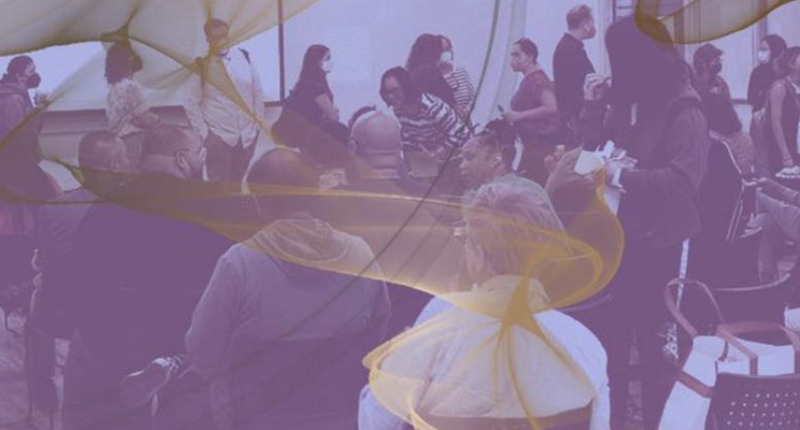
Center for Liberation, Anti-Racism, and Belonging, UCI
Founded in 2022 in UC Irvine’s School of Humanities, this center supports research on systemic inequality, focused on race, Indigeneity, and migration. It promotes collaborative methods in which faculty, students, staff, and community members work as co-researchers, and it seeks ways of sharing research that lead to social change.
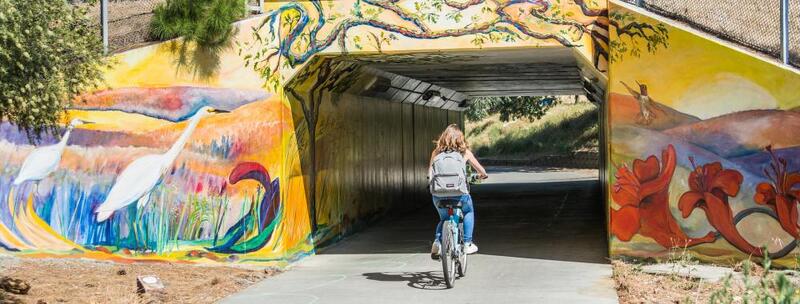
Art for Regional Change (ARC), UCD
Scholars, students, artists, and community groups work together through this UC Davis program on media arts projects that strengthen communities and inform regional decisions. Its pilot project, Up from the Understory, worked with youth and adults in the Blue Mountain area of Calaveras County. Together they documented a Sierra Nevada foothill community’s history of boom-and-bust resource extraction and its efforts toward sustainable renewal. Later projects include Restore/Restory, Passion for the Land, and Youth Voices for Change.
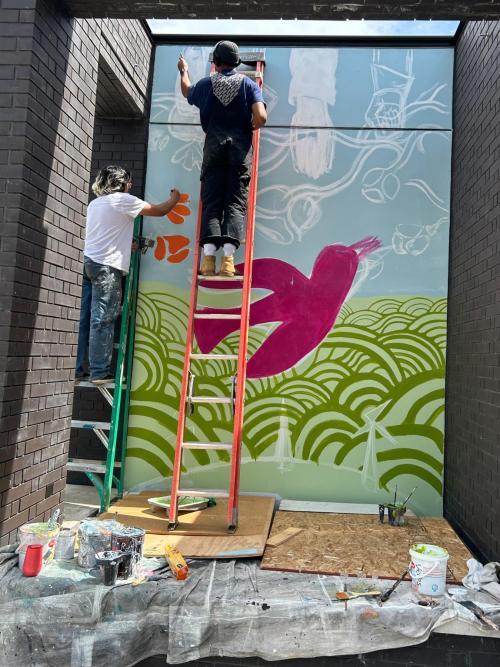
Inspiring Environmental and Climate Action Through Art, UC Davis Institute of the Environment
Through art-based partnerships, this UC Davis Institute of the Environment program supports student research and learning on environmental issues and climate change. Its California Climate Art Trail is a series of murals made with students, youth groups, educators, farmers, and agricultural partners. The murals show how climate change affects agricultural communities and how those communities are responding.
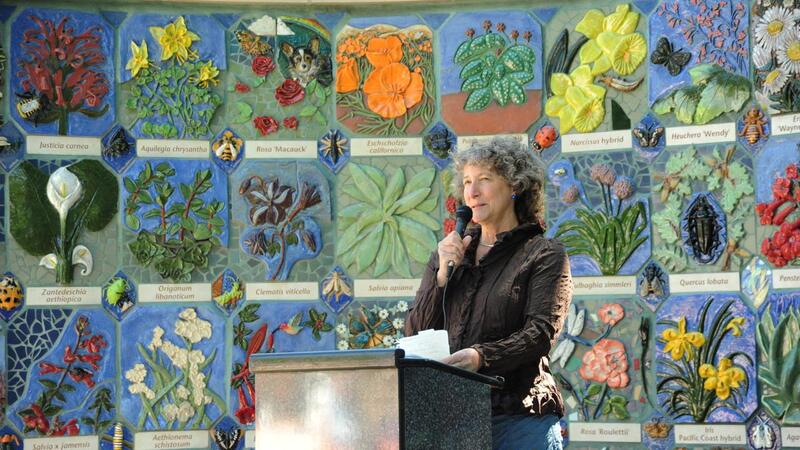
UC Davis Art/Science Fusion Program
Students learn science through hands-on art-making in this UC Davis program, working in ceramics, painting, textiles, photography, songwriting, and more. It grew out of Entomology 1: Art, Science and the World of Insects, a course launched in 2000 by entomologist Diane Ullman and ceramicist Donna Billick, who now co-direct the program. Housed in the Science and Society Program, it serves UC Davis students, K–12 students, and community members, often in partnership with the UC Davis Arboretum.
UC Berkeley Arts Research Center
Described as a think tank for the arts, this UC Berkeley center brings artists, scholars, curators, and civic arts leaders into dialogue across fields from visual art and dance to architecture and social practice. Its programs also examine the economic and institutional structures that support, or constrain, cross-disciplinary work.
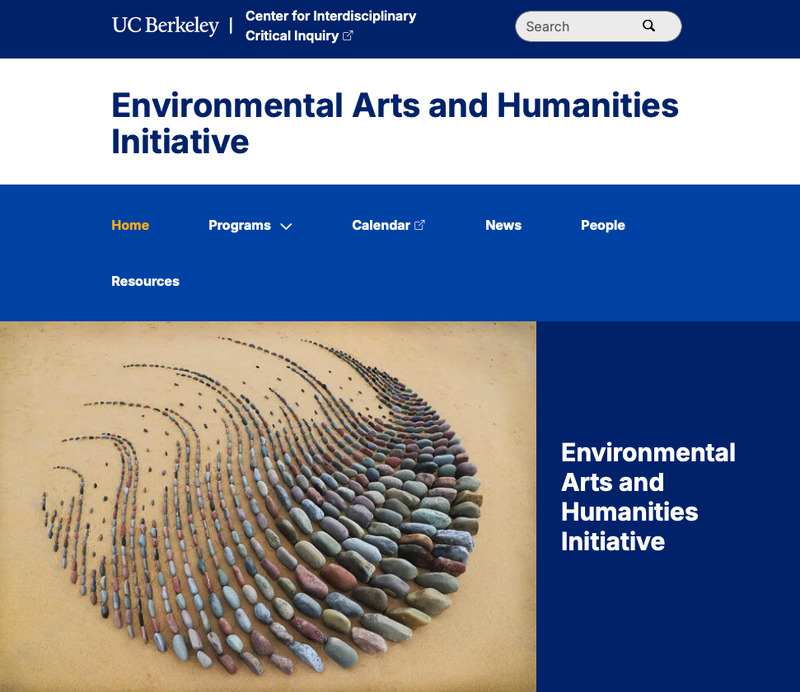
UC Berkeley Environmental Arts & Humanities Initiative (EAHI)
Faculty, curators, staff, and students in the arts and humanities come together through this initiative to study the environment. Part of UC Berkeley’s Center for Interdisciplinary Critical Inquiry, it focuses on critical histories, ethical futures, and the narrative, visual, media, and performance practices that advance environmental justice.
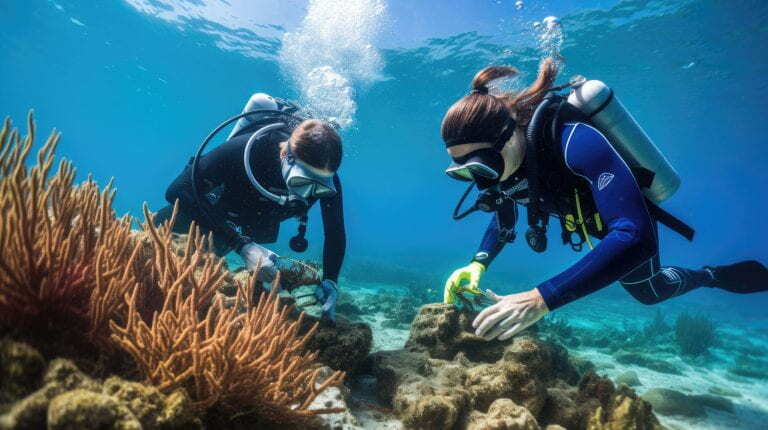
UCSC Center for Coastal Climate Resilience
Cross-campus teams developing solutions for coastal climate resilience receive support from this UC Santa Cruz center. Project leads come from the Arts, Humanities, Social Sciences, Engineering, and Physical & Biological Sciences. The center backs both projects ready to scale and pilots testing new ideas.
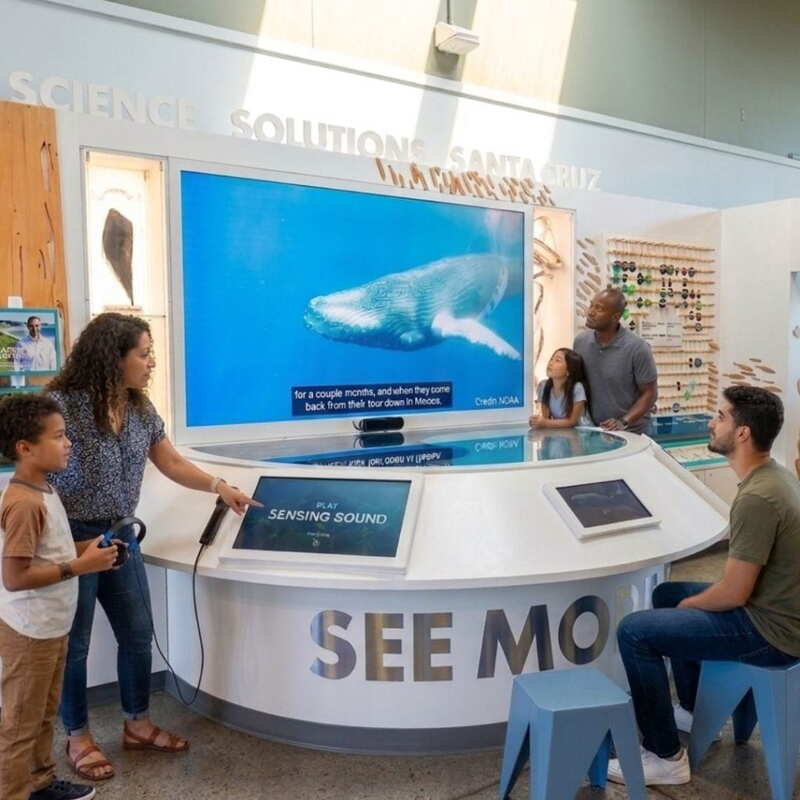
UCSC Seymour Marine Center
Exhibits, school field trips, youth programs, internships, and volunteer opportunities on Monterey Bay show visitors how ocean research informs the understanding and conservation of marine life. The center is the public face of UC Santa Cruz’s Long Marine Laboratory.
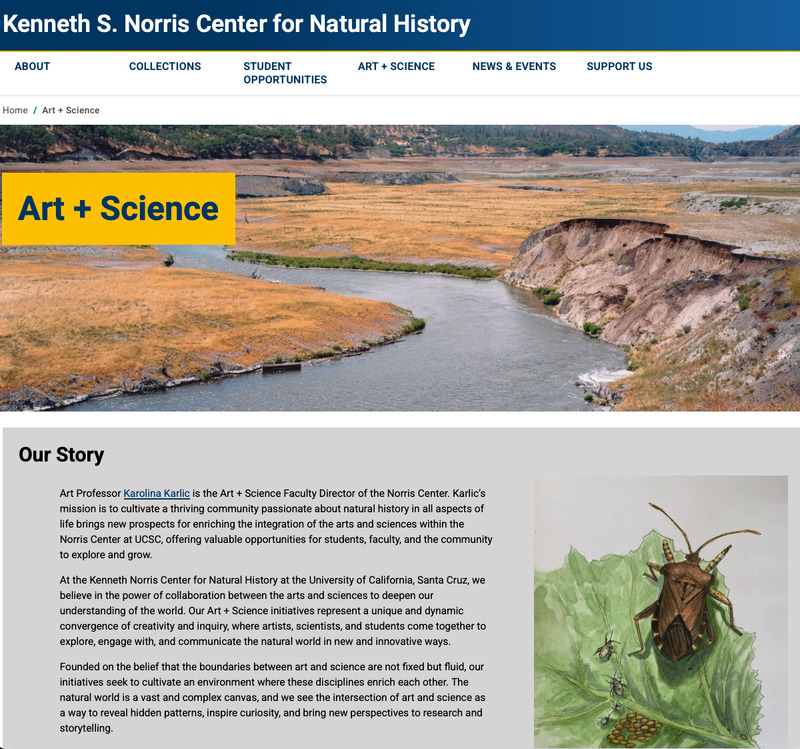
Art + Science, UC Santa Cruz Kenneth Norris Center for Natural History
Natural history collections, field courses, and internships anchor this UC Santa Cruz center’s work with students, faculty, staff, and the wider Santa Cruz community. It builds connections across disciplines, especially between art and science.
Center for Agroecology, UCSC
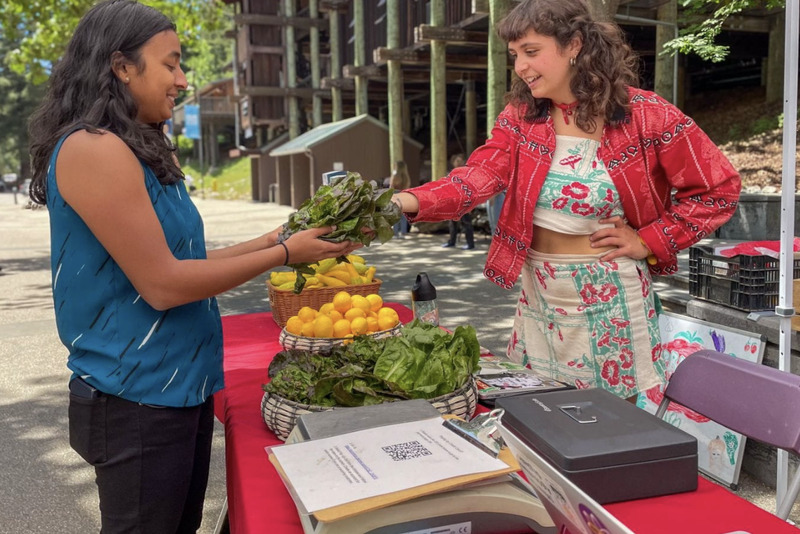
For more than 50 years, students, apprentices, and community members have learned organic growing at the Alan Chadwick Garden (founded 1967) and the UCSC Farm (founded 1971), both managed by this UC Santa Cruz center. Its broader mission is to advance agroecology and equitable food systems through education, participatory research, extension, and public service. That work includes support for small farmers and for student access to affordable organic food.
Unseen California, UCSC
Artists whose work engages California’s changing landscape are hosted through this UC Santa Cruz research initiative’s artist-in-residence program. In partnership with the UC Natural Reserve System and UCSC’s Norris Center, it supports new work and connects artists with public programs.
OpenLab Collaborative Research Center, UCSC
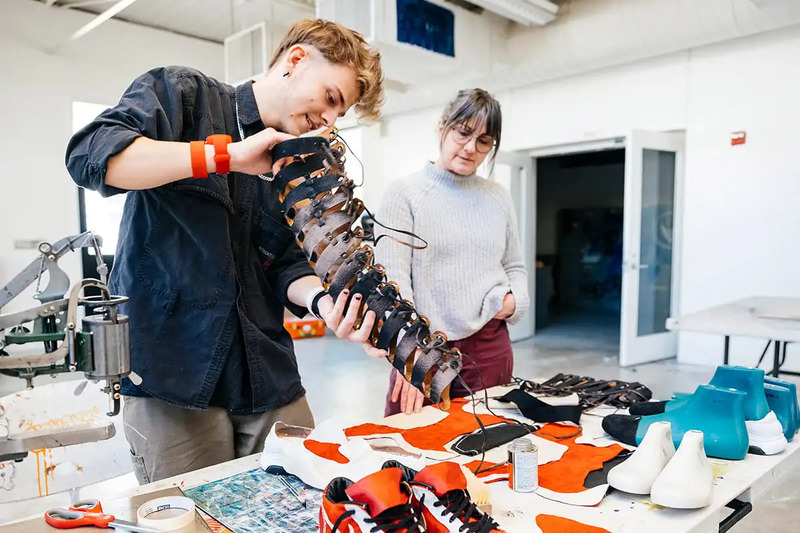
Shifting attention from machines toward people and ecosystems, this faculty-led center at UC Santa Cruz brings the arts, sciences, and technology together through research, exhibitions, talks, and events. Its projects ask how technology can serve the public good and address the planetary costs of unsustainable innovation.
UCSC Arts Research Institute
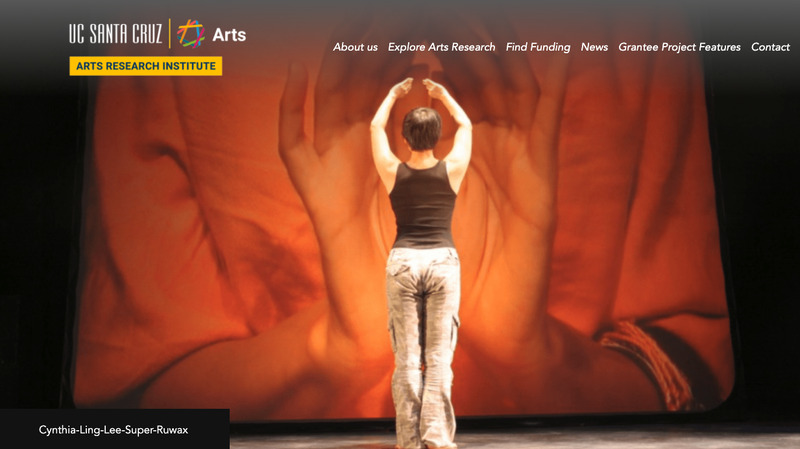
Since the early 2000s, this institute has supported faculty research and creative practice in UC Santa Cruz’s Arts Division, funding and hosting exhibitions, performances, publications, symposia, field research, and public engagement. It was established under Dean Edward Houghton and led in its early years by Music Professor Leta Miller. It now serves as home to the division’s research centers and initiatives.
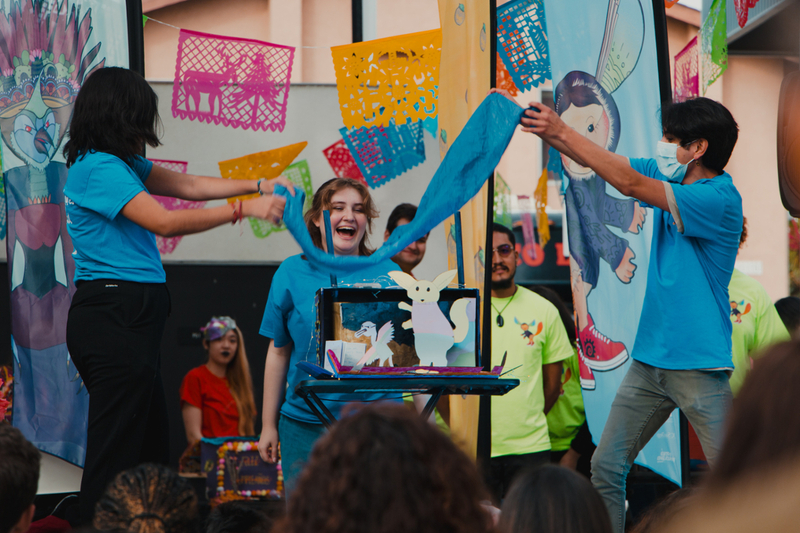
Community Stations (San Diego & Tijuana), UCSD
Spread across the San Diego–Tijuana border region, this UC San Diego network of community-based sites combines research, teaching, and service. Working with communities of color, it supports research and practice on poverty, along with educational experimentation and shared learning. Support has come from the late UC Regent Richard C. Blum and the Andrew W. Mellon Foundation.
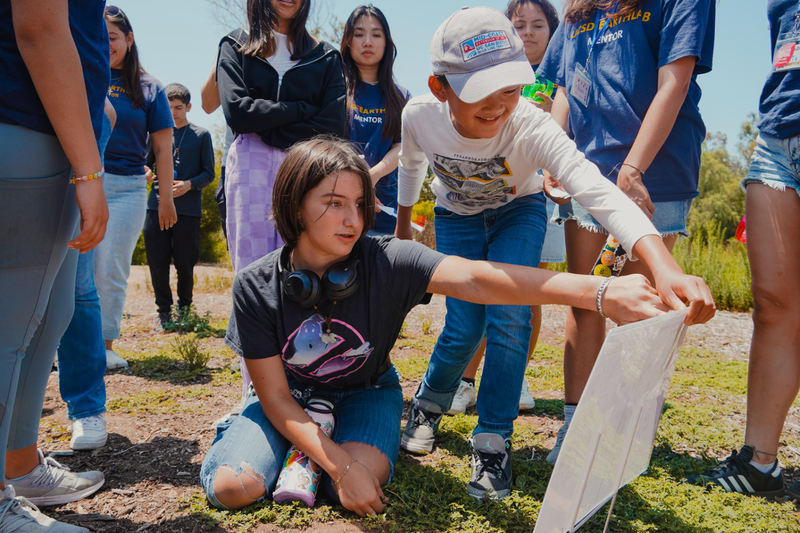
Center on Global Justice, UCSD
Interdisciplinary research on poverty and global development, with an emphasis on community-scale collective action, has been the focus of this UC San Diego center since 2012. Most of its initiatives are local, carried out with nonprofits, government agencies, and civic partners.
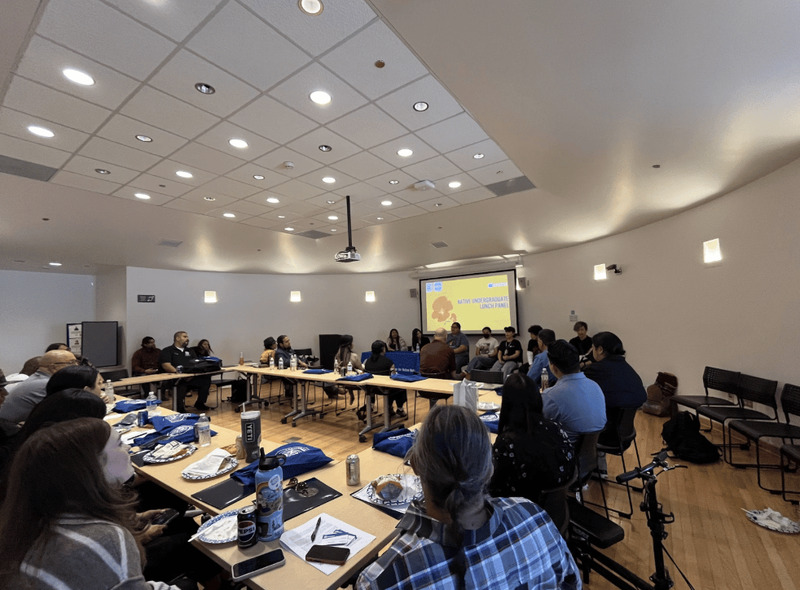
UC Riverside California Center for Native Nations
Bridging the University of California and California’s Tribal Nations, this UC Riverside center works alongside American Indian communities on research for, with, by, and about them. Through reciprocal partnership, it supports Tribal histories, cultures, languages, and sovereignty.
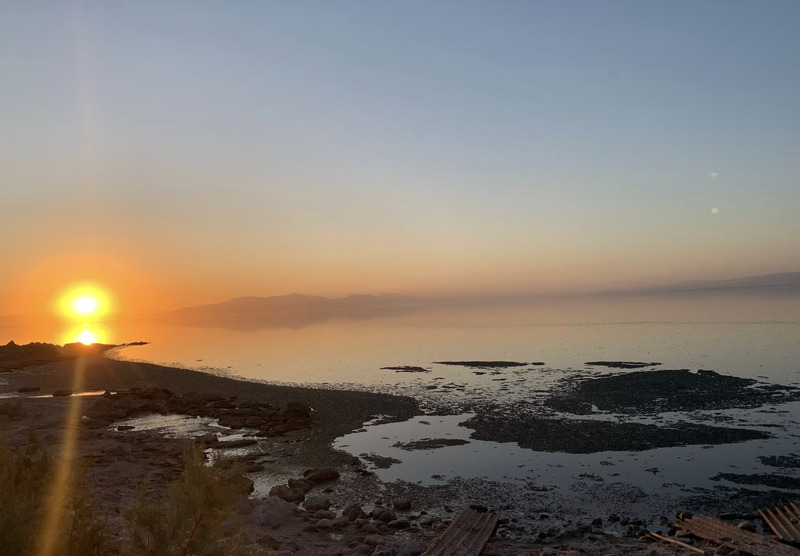
UC Riverside Salton Sea Task Force
Lake ecology, air and water quality, human health, policy, and community education all fall within this multidisciplinary UC Riverside team’s research on the changing Salton Sea. Its goal is to provide the science needed for sustainable, equitable mitigation in the region and in similarly threatened places.
Memory and Resistance Laboratory
The Memory and Resistance Laboratory (MEM-RES) at UC Riverside is a hub for antiracist, decolonial, and feminist of color artistic research.
The lab was founded in 2019 by artist Latipa (Michelle Dizon), whose works recorded in the archive include Perpetual Peace (2012), The Archive's Fold (2018) and White Gaze (2018, with Việt Lê).
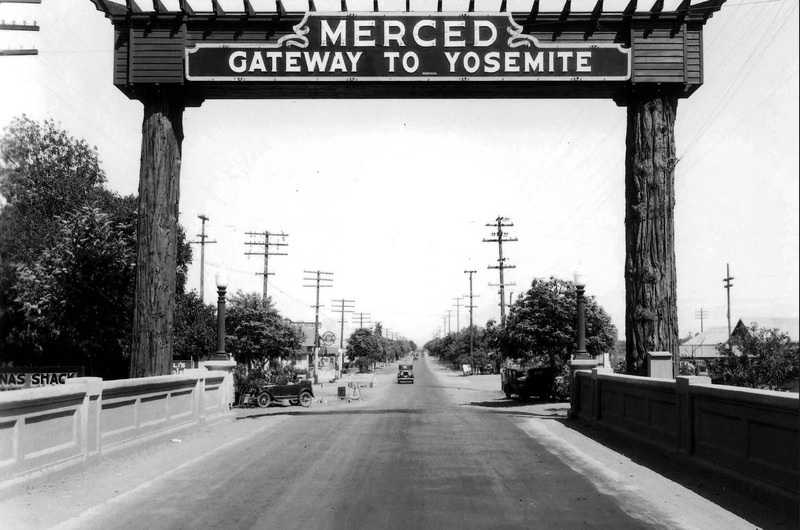
The Gateway to Merced Project, UCM
Students at UC Merced organize events and build community through this art history club.

UpstArt Series, UCM
Faculty direct this UC Merced organization, formerly Arts UC Merced Presents, which brings arts programming to campus and the surrounding community.
South Asia Art Initiative, UCB
Lectures, conferences, and residencies at this UC Berkeley initiative support research on the arts of South Asia and its diasporas, from antiquity to the present. It also awards an annual dissertation prize and an artist prize.
Its Getty Foundation–supported project Language of Nature, Language of Culture: Towards a Decolonial Art History reconsiders the relation between nature and culture in art history through climate, decolonization and planetary thought.
Platform Artspace, UCB
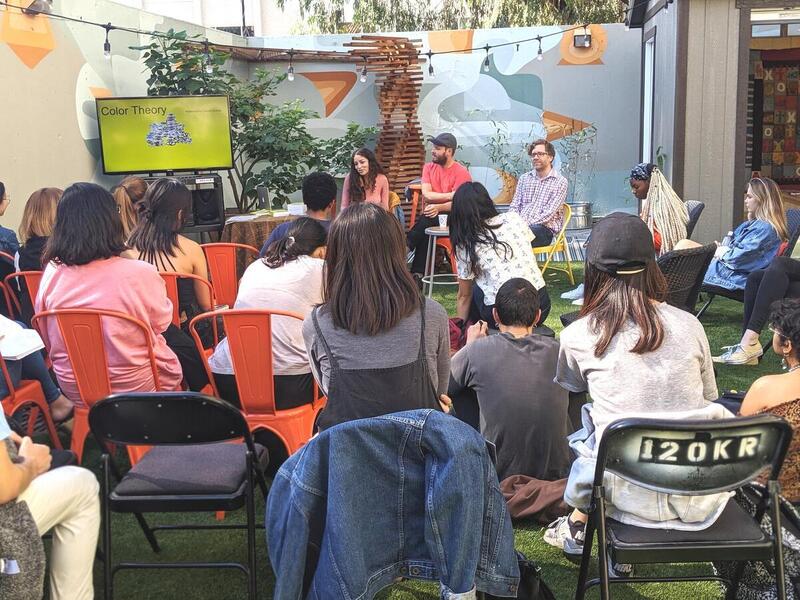
An art venue that features collaborative, participatory art projects and pop up exhibitions. In addition to these programs, public practices courses are also taught at Platform. Platform Artspace features a large projection screen, two studios for exhibitions and workshops, a large area with artificial turf, and café tables for workshops and gatherings.
The space is run collaboratively a faculty director, a student Community Engagement Liaison, and a group of student leaders. Student interns also participate in curating exhibitions and programming events. Platform hosts an internship program where students earn credit while gaining experience planning, curating, maintaining, and publicizing exhibitions and workshops.
UC Berkeley Center for New Media
Drawing on faculty from dozens of UC Berkeley departments, this center studies the intersection of new media, technology, and culture.
Its programs recorded in the archive include Maya Lin's 2014 Art, Technology and Culture Colloquium lecture What is Missing? and the 2014 Human Impacts Bay Area salon, which the center sponsored, along with Synchronicity (2024), a data animation by its program director Greg Niemeyer.
UCSC Greenhouse Project
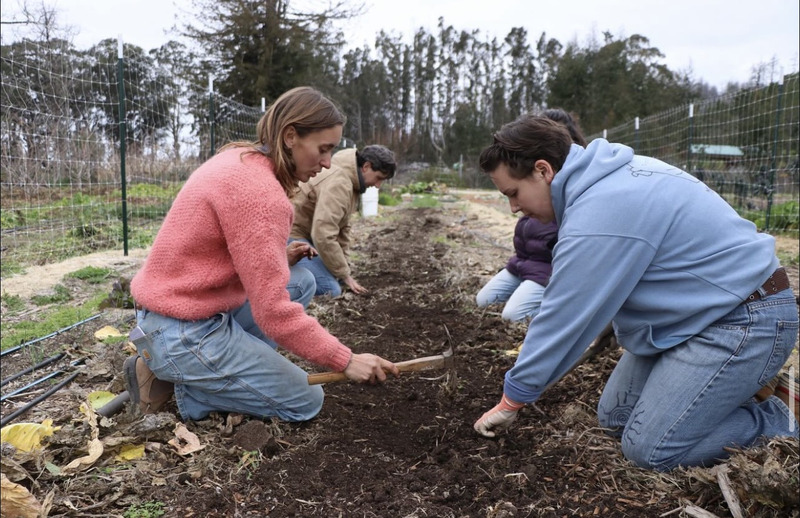
Founded in 2022 by artists L Gilbert and Dav Bell, the project is an intergenerational educational space that centers art, food, and climate justice. It is rooted in the Farm at UC Santa Cruz, where Gilbert and Bell work alongside farm staff, students, and interns to build a lasting site for programming social and agricultural experiments. The project grew out of Gilbert and Bell’s MFA thesis work in the first graduating cohort of UC Santa Cruz’s Environmental Art and Social Practice program, and was presented in the cohort’s 2023 thesis exhibition, Gently Unbind, at the Mary Porter Sesnon Art Gallery. The greenhouse also hosted the exhibition’s closing gathering, extending the show from the gallery to the farm. Through hands-on growing, shared work, and public programs, the project treats the garden as a place where people of different generations can learn together and imagine more just food systems in a changing climate.
Center for the Study of the Force Majeure
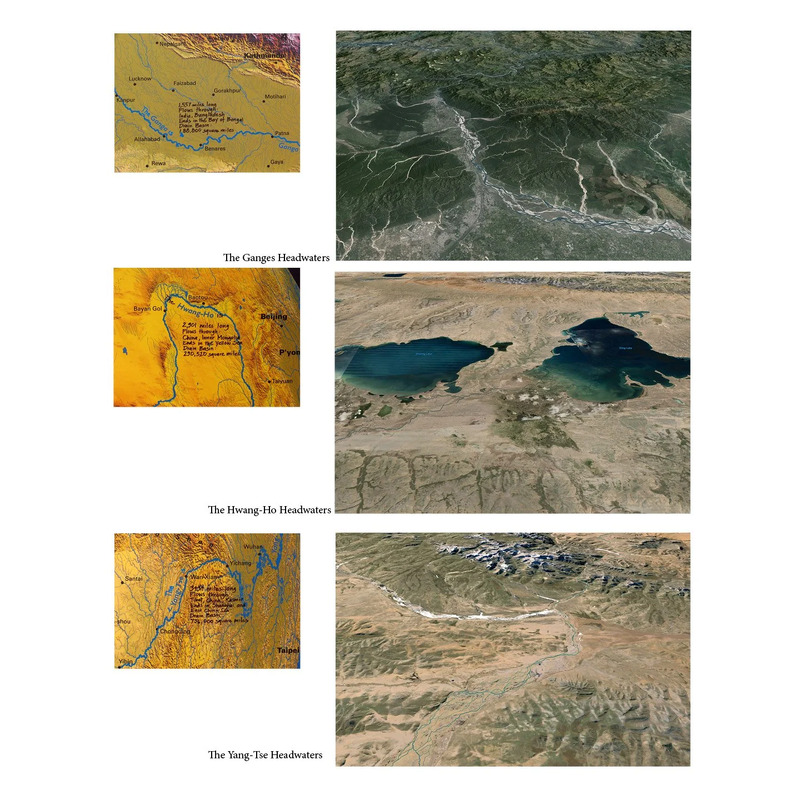
The center grew out of nearly 45 years of the Harrisons’ collaborative ecological art, which proposed ways for ecosystems and communities to adapt to environmental change. Early support included a $220,000 grant from the Metabolic Studio for research on assisted species migration at Sagehen Creek in the Sierra Nevada. Related works include Peninsula Europe, Tibet Is the High Ground, the Sierra Nevada works, and The Bays of San Francisco. Since the founders’ deaths, Joshua Harrison has continued the center’s work.